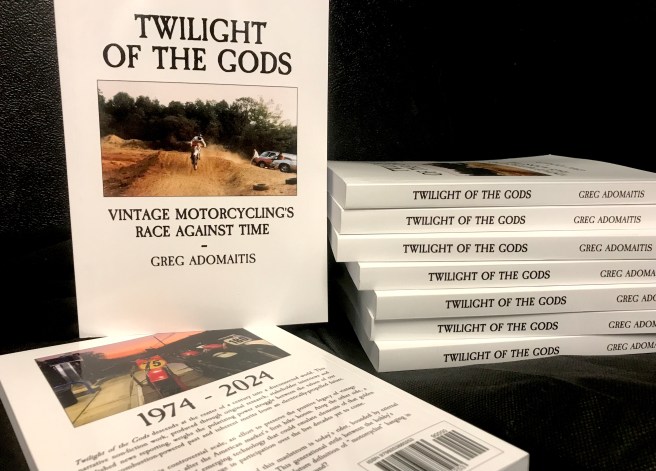
Below is an excerpt from the chapter “Modest Proposals” in my debut non-fiction book, Twilight of the Gods: Vintage Motorcycling’s Race Against Time. The book examines the legacy of the 1970s bike boom, the vastly different world those same vintage motorcycles inhabit 50 years later and how electric options could emulate that golden era of riding… if we’d only give them the chance.
The chapter deals primarily with the adoption of small and comparatively “simple” motorcycles for urban usage, championing electric two-wheelers as normalized day-to-day transportation. You can learn more about the book, as well as contact me via email, by clicking here.
***.
Modest Proposals
In 1729, Irish satirist Jonathan Swift penned a piece that sarcastically suggested we sell off our wayward young to the more well-off echelons of society to save them from a life of destitution on Dublin streets. His roundabout aim was to draw fire onto the feigned ignorance of a broken social system. Swift achieved his goal as a result of that modest proposal and when the rubber meets the road these days, there’s nothing more mundane than a moped.
The preceding chapter argued for an alignment between what’s sought and sold. This chapter’s street-leaning suggestion for societal assimilation is even narrower: discovering why and how to enjoy the merits of something small and utilitarian. Moreover, this device that could democratize riding in certain settings will likely one day be battery-powered. Such an approach – electric emulating the best qualities of simple street hacks from years gone by – would also work toward rounding off the rough edges of the outlaw reputation. That latter bit isn’t the largest hurdle in this book, but it does drive intimidated droves away from investigating riding as a hobby and does us no favors among outsiders fed up with illegal riding behavior.
These city bikes of the future would come with the stated purpose of only going between points A and B – and those two destinations could be about 30 miles apart. Riders would legally share busy urban roadways with vehicular traffic, travel at posted speed limits in high-density areas and enjoy well over an hour of spirited ride time without running the battery completely down. At which point, the operator would then uncouple and charge the power source in their upstairs apartment.
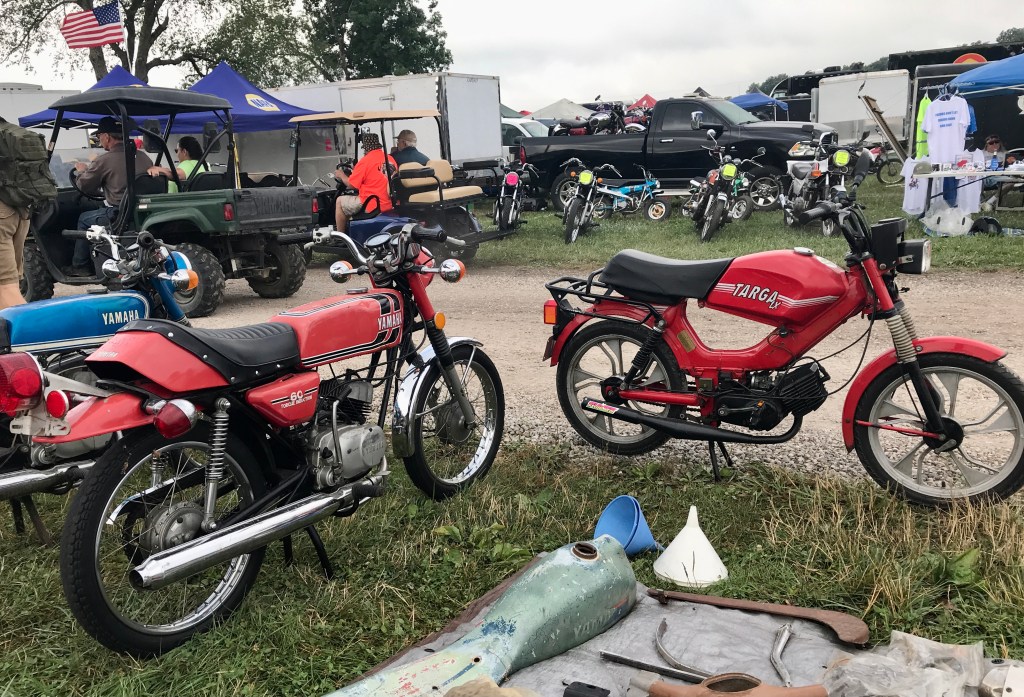
This fiefdom of tiny terrors is the domain where on-road electric motorcycling makes the most sense in the short-term. That’s because the smaller overall package – an idea that was also staking claims at the time of writing in the 300-to-500cc middleweight internal combustion market – is the one that’s affordable to the target audience. A good portion of the public, the pundits and the producers of these machines are starting to arrive at this destination, where the World War II-era battlefield-tested “Flying Flea” motorcycle model blends classic styling with future technology into an electric package. In this same arena, relative newcomers like Rivian and CFMoto are going to market with “micromobility” concepts likely to resonate with an urban audience. However, the intention should not be to thoughtlessly add new riders to the segment because “EV = EZ $.” That is a dangerous idea that will quickly prove, in Ralph Nader’s words about the automotive industry’s blind eye toward documented design concerns, unsafe at any speed. To lay the groundwork and get more people into the hobby, we should first teach them how – and then what – to ride. The answer, inseparable from the shape of the future, is small bikes.
There’s an editorialized pitch in an Adventure Rider online column that contends a great number of active motorcyclists would be better off if they abandoned their “self-inflicted belief” that a large motorcycle was the best fit for them. Instead, the ask was to “embrace the fun and easy riding of a smaller machine.” Moreover, another report from the same outlet on an electric-swapped Honda Hobbit described the project as “prophecy” for a time when such work is commonplace and the final product helps owners navigate “day-to-day urban gridlock.” There are already brands retrofitting electric motors into old CT70s, so the choice of power plants as you dart between cafes is entirely your own to make. With these degrees of parameters in place, cast your gaze to a few global epicenters where fuss-free two-wheel transport is a daily occurrence and not a Sunday driver loud-pipe type.
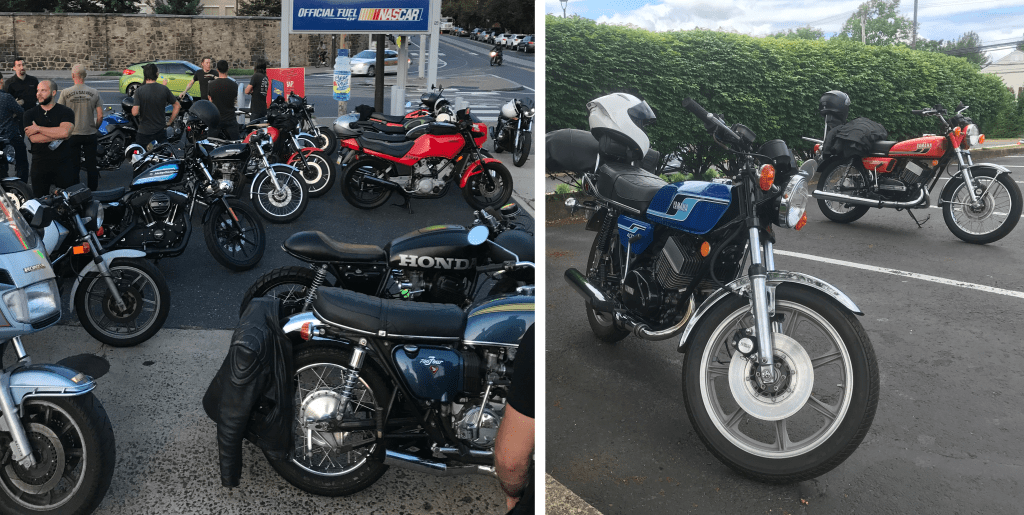
From Montreal, Canada, Can-Am On-Road Global Product Manager Dominick Lemerise-Gauvin explained that their Pulse model offered an “approachable urban ride” in suitable environments. This form of efficient “freedom” for “tech-forward professionals” and new riders alike would still provide excitement alongside a “cleaner, quieter commute.” Now head south to see the Husqvarna electric mountain bike hoisted up inside a San Diego, California motorcycle shop and one of Steve McQueen’s own dirt articles on display in nearby Balboa Park. Grab a backpack, ride the rails and go back east to meet the punk kids of Philadelphia who graduated from fixed-gear bicycles and started re-jetting Dellorto carburetors on Eastern Bloc scooters. Let’s leap across the ocean to navigate the chaos of circling the Arc de Triomphe in Paris in a stick shift rental car while trying to steer clear of weather-weary Motobecane bicycles. Witness the bustling two-wheel saddlebag-laden traffic through Vondelpark in Amsterdam during a weekday morning commute. Finally, a skip south to see the Vespas of the paninaro phenomenon. These kitted-out dreamy neon youth on flashy bikes were immortalized in a Pet Shop Boys song about their superficial leanings and strutted about like a Madonna of Milan at her 1980s pinnacle.
Let’s call this entire “small bore” street segment – perfect for those who’d like to punch their ticket for a little more seat time – a sooner solution to long-distance electric motorcycles. It’s not for everyone, but it’s just right for those who crack an evil grin in agreement when they hear about having more fun riding a slow bike fast instead of the other way around. But, do mind the gaps and the guardrails that are still being constructed to help guide this segment.
PERISH THE THOUGHT
There are a lot of things in this world that aren’t legal, but still go on in clandestine corners with strange sections of leniency. There are also examples of this behavior where it’s in your face and down your throat. Yes, previous generations poked and prodded at the boundaries between on and off-limits riding spots. However, it was easier for them to quickly blend into the background when there were more places to play – and hide out – at. In a 2024 article from Electrek.com exploring the popularity among teenagers of Surrons, Talarias and similar electric dirt bikes, the conclusion was that these things are today’s Honda Z50 “minus the exhaust and the oil stains” in an “affordable” and “easier to ride” package. The problem, the article continued, is that these affordable “novel” modern electric bikes “aren’t exactly street-legal” and “usually aren’t required to be registered for off-road use, either.” As such, local law enforcement are “playing catch-up” with these off-road bikes.
In an Adventure Rider column about contemporary youth ridership compared to that of the 1970s, a mindset shift from seeking “freedom” to wanting “safety” had taken place over time. Making matters worse was the diminished spending power of these younger consumers, who had been greatly impacted by the 2008 Great Recession and the release of the first iPhone that coincided with this same economic downturn. All of a sudden, you no longer needed a vehicle to find and interact with friends, meet new people or get groceries. All you needed was a phone app. As part of this societal shift, the column states, “a change in attitude towards battery-based vehicles” came with it. In short, an “expensive” electric bike is still “hip, green, and easy to live with in, even in the heart of the city.” All the while, another generation has long been following their own recipe for disaster to feed an appetite for destruction.
The scene: A pleasant weekend morning at a tony brunch spot for the post-graduate and urbanite crowd who covet their proximity to arts, culture and convenience. It is suddenly shattered by sound. Chiefly, the snorts and snarls of 30-odd four-stroke dirt bikes and quads hanging the front end at high noon. By and large, these mounts are dirt-specific models and the intention here isn’t burning laps on a track – it’s burning rubber. Compliance with the local department of motor vehicles is hit-or-miss. In Philly, the phenomenon was widely popularized by rapper Meek Mill. Born Robert Rihmeek Williams, his early career efforts celebrated what’s known as “bike life” and, for better or worse, got more people riding dirt bikes and quads where they weren’t exactly designed to go. The still unresolved kicker is a place for unbothered riding within city limits, but big grass lots with natural sound barriers and no neighbors around are at a premium in city centers.
“I never thought dirt bikes would take me anywhere because I already knew I was doing something illegal, I wasn’t riding on a track,” Baltimore, Maryland street rider Chino Braxton told Philadelphia online news outlet Billy Penn for a 2019 article on riding culture. Baltimore is the basis of the 2013 documentary “12 O’Clock Boys,” which put the entire #bikelife scene on blast. Run-ins with police, stolen rides, vigilante redemption and an unfiltered perspective into what drives these riders proved to be a sensational success. Braxton’s endorsements from Yamaha and Monster Energy, two massive supporters of professional Supercross, goes to show there’s corporate crossover willing to stand behind a subset of what these bikes were built for. The benefits of bike life, as laid out in that same article, included a drama-free gathering at Pocono Raceway, located about two hours north of Philadelphia. It was organized by Meek Mill, who “invited dirt bike and ATV riders from different cities to bring their crews” for a “friendly ride-off” filled with “flaunting and fun” somewhere besides paved municipal roadways.
***
Thank you for reading! The 245-page book (15 chapters, 19 photos) is available on Amazon in paperback. I truly appreciate your support of this independently published book.